
Hey everyone,
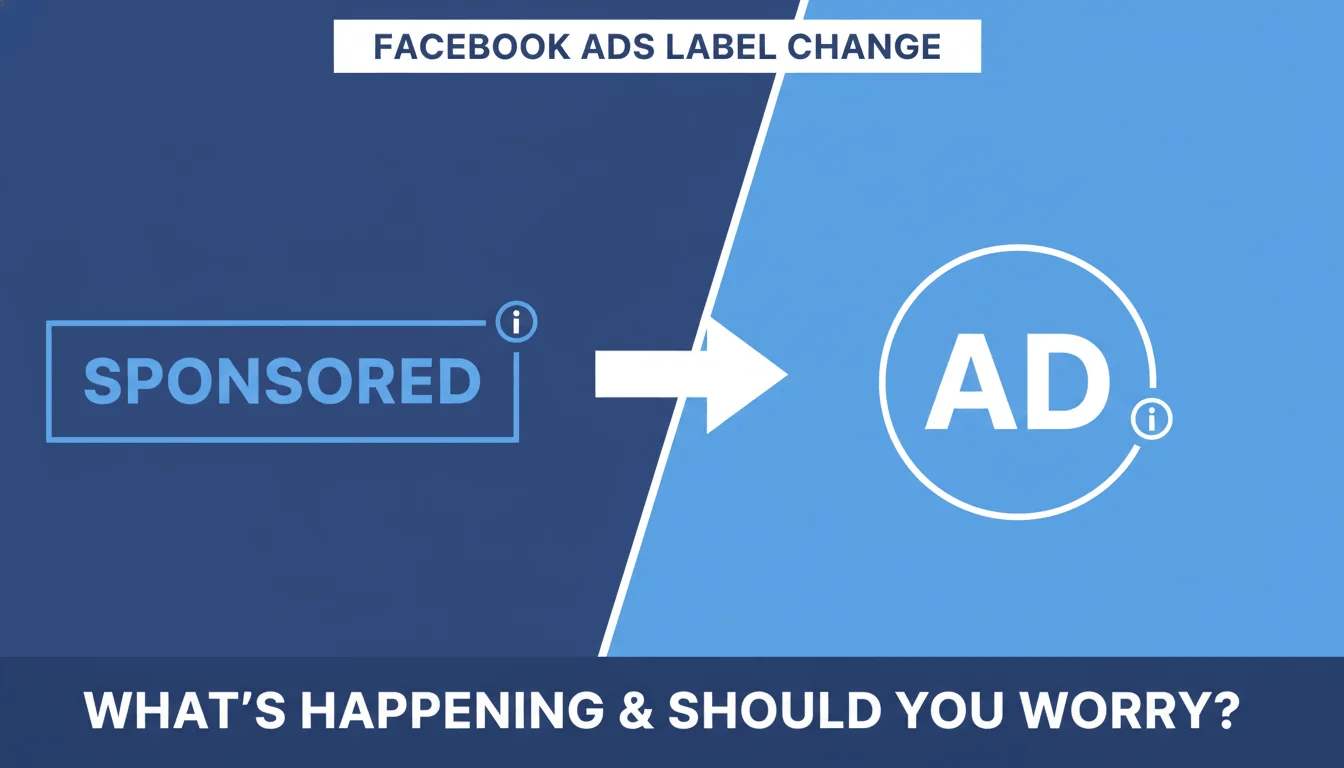
If you run Facebook ads, you’ve probably noticed the change already. The familiar “Sponsored” label that used to appear at the top of every ad has now been replaced by a simple “Ad”.
A lot of advertisers are asking the same questions: Why did this happen? Is it good or bad for us? Will it affect ad performance? Are there any new rules or laws behind it?
In this blog post, I’ll explain everything in simple, straightforward language based on what we know so far.
Why Did Facebook Change “Sponsored” to “Ad”?
Meta (the company behind Facebook and Instagram) says this change is all about making the platform cleaner and simpler for users. The word “Sponsored” felt a bit long and took up more space. The new “Ad” label is shorter, neater, and looks more modern.
This update is being rolled out gradually. Some accounts already see “Ad”, while others still see the old “Sponsored” label. It’s happening on both Facebook and Instagram.
Another reason seems to be making ads feel more natural. “Sponsored” immediately told people it was a paid post. The shorter “Ad” label is less noticeable, which might help ads blend better with regular content and get more genuine engagement.
Is This Good or Bad for Advertisers?
The Positive Side:
- Ads now look more like organic posts, which can improve click-through rates (CTR).
- People might feel less annoyed seeing obvious “ads” everywhere.
- It’s especially helpful for native-style ads that are designed to look natural.
Possible Downsides:
- Some users might not realize it’s an advertisement and could report it as misleading.
- Brand transparency might feel slightly reduced if your ad looks too much like normal content.
- We still need more time to see the real impact on cost and performance.
From my own testing, I haven’t seen any major negative effects yet. In some campaigns, engagement has actually been slightly better.
Is There Any New Law or Regulation?
There isn’t a brand-new law that directly forced this label change. However, advertising regulations around the world are becoming stricter. Authorities like the FTC in the USA and ASA in the UK want clear disclosure when something is sponsored or paid.
Meta says this is mainly for better user experience, but they also have to stay compliant with global rules. If ads start looking too hidden, we might see even stricter guidelines in the future.
In Bangladesh, there’s no specific new law on this yet, but it’s always smart to maintain transparency in your promotions.
Practical Tips for Running Ads After This Change
- Write ad copy in a more natural, conversational tone.
- Clearly mention your offer or call-to-action so people understand the purpose.
- Run A/B tests to see which creatives perform better with the new label.
- Keep an eye on comments — if people are confused, adjust your approach.
- Regularly check Meta’s ad policies and updates.
FAQ – Frequently Asked Questions
Q: My account still shows “Sponsored”. When will it change to “Ad”? A: The rollout is gradual. Not everyone gets the update at the same time. Just wait a bit — it should appear soon.
Q: Will this increase my ad costs? A: Not directly. If the new label improves engagement, your ads might actually become more efficient and cost less in the long run.
Q: Can my ads get rejected because of the new “Ad” label? A: No. This is Meta’s own system change. As long as your content follows their advertising policies, you’re fine.
Q: Is this change only on Facebook or also on Instagram? A: It’s happening on both platforms.
Q: Can I manually change the label myself? A: No, you cannot. It’s completely controlled by Meta’s system.
Q: Should I stop running ads until things settle? A: Not at all. Keep testing and adapting. Changes like this are normal in digital advertising.
Changes are part of the game in online advertising. The advertisers who adapt quickly usually come out ahead.
Have you noticed the new “Ad” label in your campaigns? How is your performance comparing to before? Drop your experience in the comments below — I’d love to hear it!
If you have any other questions, feel free to ask. Wishing you all high-converting and successful campaigns!
Written by a fellow Facebook advertiser who learns through daily testing and real results.
Note: This article is based on the latest available information. Always check Meta’s official Help Center for the most updated guidelines, as things can change.



No comments yet.
Be the first to share your thoughts!