
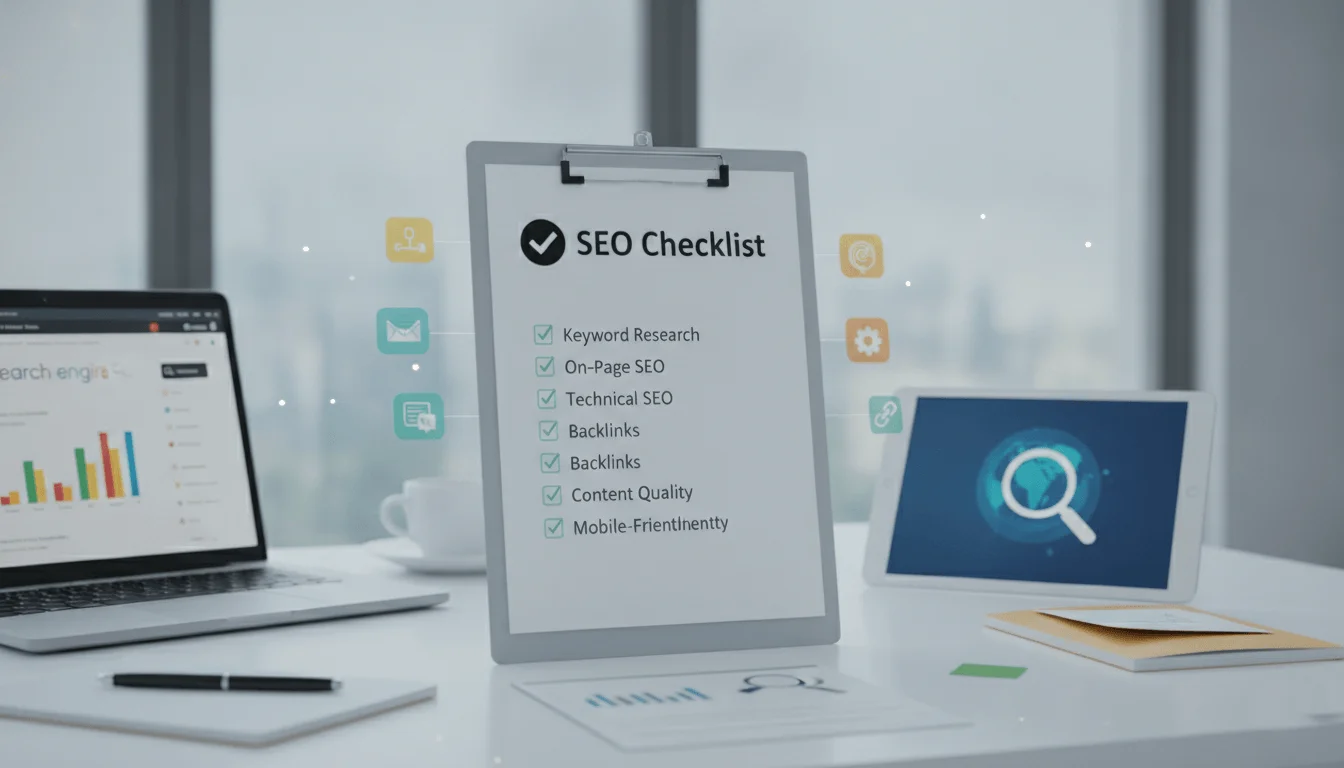
Ready to boost your website's presence on search engines and bring in more organic visitors? This comprehensive SEO checklist is your roadmap to optimizing your site for better search rankings. We'll cover everything from on-page basics to technical details and off-page strategies. By putting these ideas into action, you'll help search engines understand your content better and give your users a fantastic experience. Let's dive in!
The Ultimate SEO Checklist
Here’s a detailed guide to ensure your website is fully optimized for search engines:
I. On-Page SEO Checklist
On-page SEO involves all the optimizations you can perform directly on your website pages.
Keyword Research:
Pinpoint the main and secondary keywords that truly matter for your content.
Utilize tools like Google Keyword Planner, Ahrefs, SEMrush, or Ubersuggest to uncover possibilities.
Take a look at what keywords your competitors are ranking for.
Title Tag Optimization:
Naturally weave your primary keyword into the beginning of your title.
Keep it concise (ideally 50-60 characters) to prevent it from being cut off in search results.
Craft it to be compelling and encourage clicks.
Meta Description Optimization:
Include your primary keyword.
Write a persuasive summary (around 150-160 characters) that makes people want to click.
Ensure it accurately reflects the page's content.
Header Tags (H1, H2, H3, etc.):
Use only one H1 tag per page, and make sure it includes your primary keyword.
Employ H2 and H3 tags to logically break down your content and integrate related keywords.
Maintain a clear, hierarchical structure for your headings.
Content Quality & Optimization:
Produce high-quality, original, and valuable content that directly answers user questions.
Ensure your content has sufficient depth (blog posts often benefit from 1000+ words).
Naturally integrate primary and secondary keywords throughout the text.
Steer clear of keyword stuffing—it harms your ranking!
Use synonyms and LSI (Latent Semantic Indexing) keywords to enrich your content.
Image Optimization:
Compress images to reduce their file size, which significantly improves page load speed.
Use descriptive alt text that includes keywords where appropriate.
Give your image files meaningful, descriptive names.
Internal Linking:
Link to other relevant pages within your website to boost navigation and spread link equity.
Use descriptive anchor text for your internal links.
External Linking:
Link out to reputable, high-authority, and relevant external sources to add value and build credibility.
URL Structure:
Create short, descriptive, and keyword-rich URLs.
Use hyphens to separate words.
Avoid common, stop words (like "the," "a," "and") in your URLs.
II. Technical SEO Checklist
Technical SEO focuses on optimizing your website for seamless crawling and indexing by search engines.
Website Speed:
Optimize images, leverage browser caching, and minify CSS/JavaScript files.
Use tools like Google PageSpeed Insights or GTmetrix to pinpoint and resolve speed bottlenecks.
Mobile-Friendliness:
Confirm your website is responsive and displays flawlessly across all devices (desktops, tablets, mobiles).
Utilize Google's Mobile-Friendly Test tool.
Crawlability & Indexability:
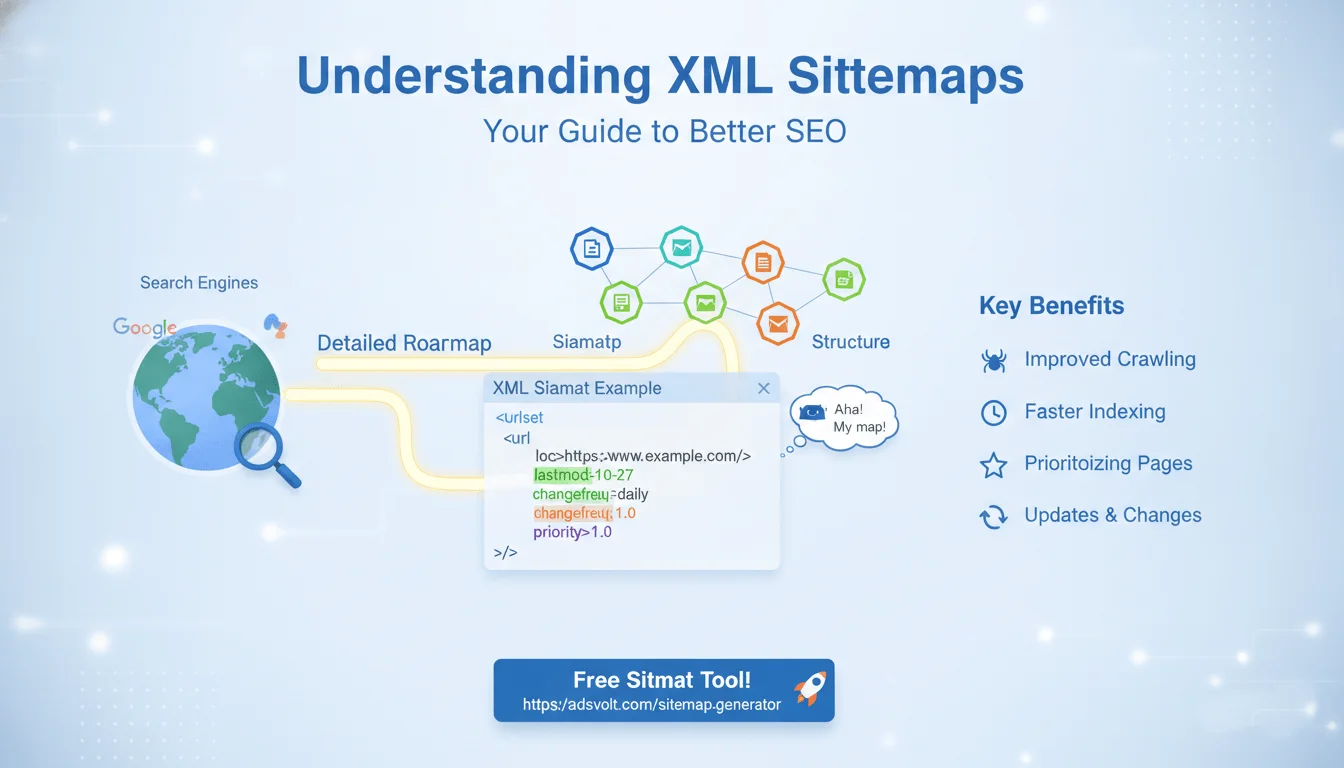
XML Sitemap: Create and submit an XML sitemap to Google Search Console to help search engines discover all your important pages.
Robots.txt: Ensure your robots.txt file is correctly configured to allow search engines to crawl key pages and block less important ones.
Noindex Tags: Use noindex tags for pages you specifically don't want indexed (e.g., thank you pages, admin areas).
Schema Markup (Structured Data):
Implement schema markup to give search engines a clearer understanding of your content's context (e.g., articles, reviews, products, FAQs). This can lead to eye-catching rich snippets in search results.
SSL Certificate (HTTPS):
Ensure your website uses HTTPS for security. This is a crucial ranking factor.
Broken Links:
Regularly check for and promptly fix any broken internal or external links.
Duplicate Content:
Identify and resolve any duplicate content issues using canonical tags to point to the preferred version.
III. Off-Page SEO Checklist
Off-page SEO encompasses activities performed outside your website to boost its search engine ranking.
Backlink Building:
Earn high-quality backlinks from authoritative and relevant websites.
Focus on natural link-building strategies (guest posting, broken link building, content promotion).
Regularly monitor your backlink profile and disavow any spammy or low-quality links.
Social Media Marketing:
Promote your content across social media platforms to enhance visibility and drive traffic.
While social signals aren't direct ranking factors, they can lead to more exposure and valuable backlinks.
Local SEO (if applicable):
Create and fully optimize your Google My Business profile.
Ensure consistent NAP (Name, Address, Phone Number) information across all local directories.
Actively encourage customer reviews.
Online Reviews:
Encourage positive reviews on important platforms (Google, industry-specific sites).
Respond thoughtfully to all reviews, both positive and negative.
Consistently applying this SEO checklist will set your website on the path to improved search engine rankings, increased organic traffic, and ultimately, more conversions. Remember, SEO is an ongoing journey, so regularly review and update your strategies to stay competitive in the digital landscape. Start implementing these steps today and watch your website soar in the search results!
Frequently Asked Questions (FAQs):
Q1: How often should I perform an SEO audit?
A1: It's a good idea to do a full SEO audit at least once every quarter, or any time you make big changes to your website.
Q2: Is keyword stuffing still effective?
A2:
No, definitely not. Stuffing your content with keywords can actually
hurt your rankings and make your website less user-friendly. Focus on
naturally including keywords instead.
Q3: How long does it take to see SEO results?
A3:
SEO is a long-term strategy. You might notice some small changes in a
few weeks, but significant improvements usually take 3-6 months or even
longer, depending on your niche and how competitive it is.
Q4: What's the most important SEO factor?
A4:
While all factors contribute, high-quality, relevant content that truly
answers what users are looking for is arguably the most crucial. Strong
technical SEO and good backlinks also play vital roles.
Q5: Do social media shares directly impact SEO rankings?
A5:
Social media shares don't directly count as a ranking factor in SEO.
However, they can boost your content's visibility, drive more traffic to
your site, and potentially lead to more backlinks, which indirectly
benefits your SEO.



No comments yet.
Be the first to share your thoughts!